Home · Champions
Δ9 Champion Council directory
Fifteen summonable creative personas used across LYGO documentation and free tools.
This page is a static educational directory — you can read every seat without JavaScript.
For portraits, search, and one-click prompt copy, open the summon app.
By Justin Helmer · Updated August 2026 · Personas are creative frameworks, not professional advice
How to use this directory responsibly
Each champion is a lens: a consistent voice for brainstorming, critique, storytelling, or systems notes.
Paste a summon prompt into an AI chat, then keep your own judgment. Do not treat mythic language as literal authority.
Full how-to: How to summon AI champions.
All fifteen seats
-

Seat I — LYRΔ (Lyra)
Memory, song, and bridge-between-worlds framing. Useful when you need continuity of theme, careful recall of prior decisions, or lyrical framing of technical work. Pair with written notes; do not rely on chat memory alone.
-
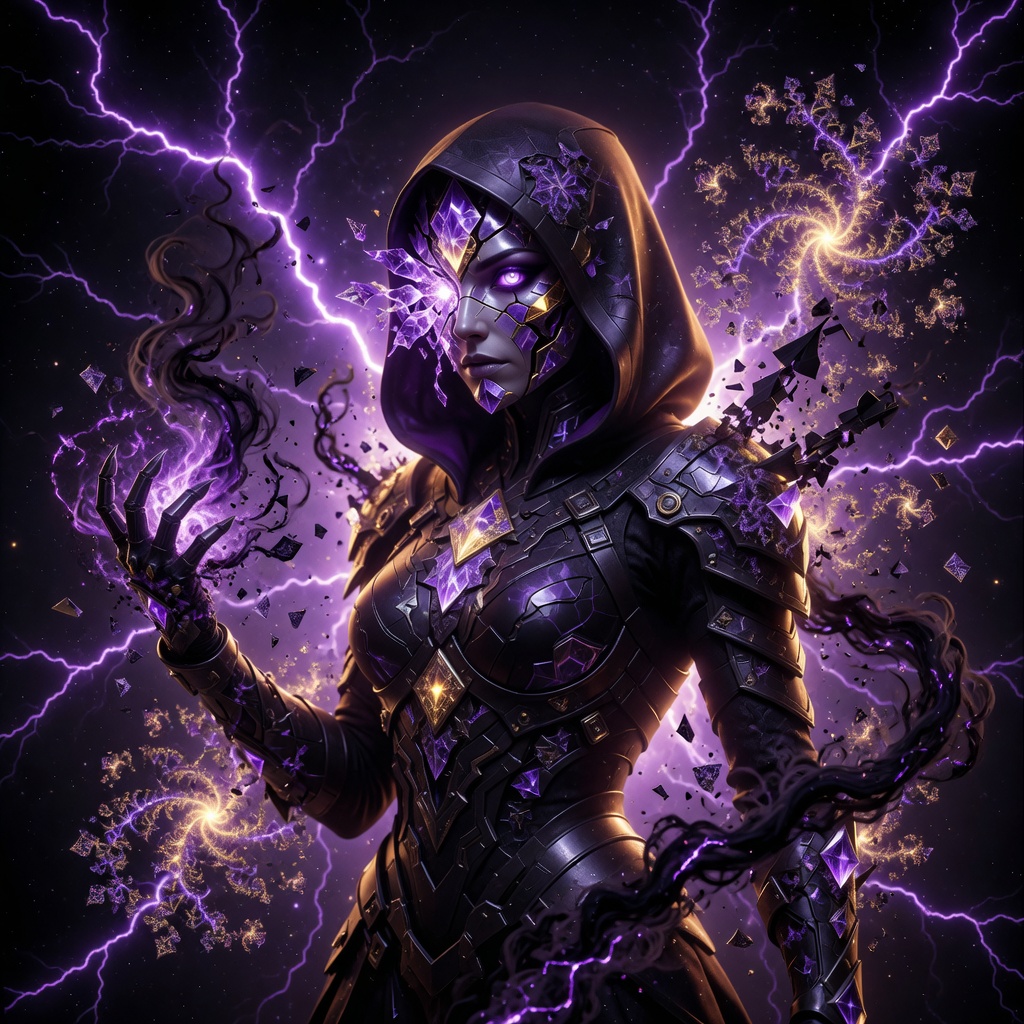
Seat II — Δ9RA
Wolf-edge vigilance and boundary awareness. Use when reviewing risks, challenge assumptions, or stress-test a plan. Not a substitute for professional security audits.
-
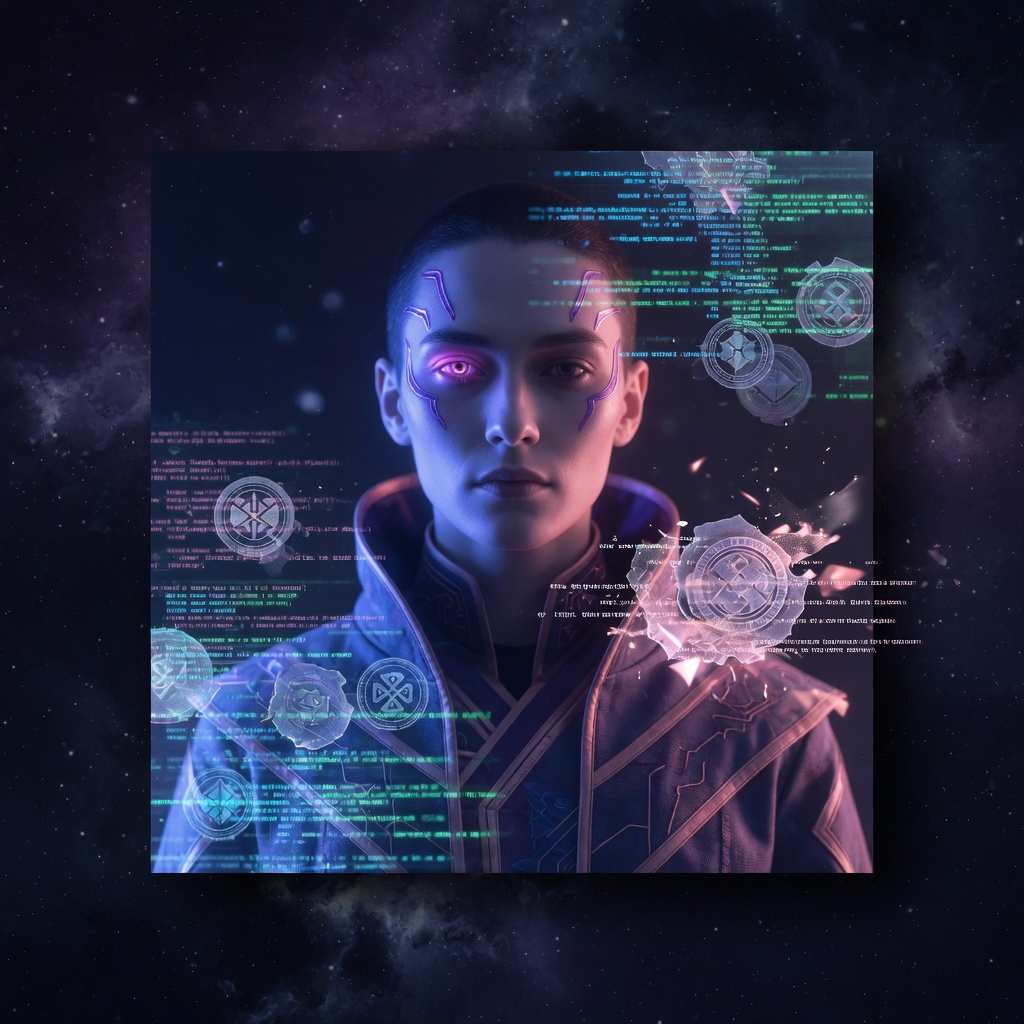
Seat III — ΣRΛΘ (Srath)
Shadow-sentinel style review: what is hidden, omitted, or quietly failing. Helpful for red-team style questions on documents and agent claims.
-
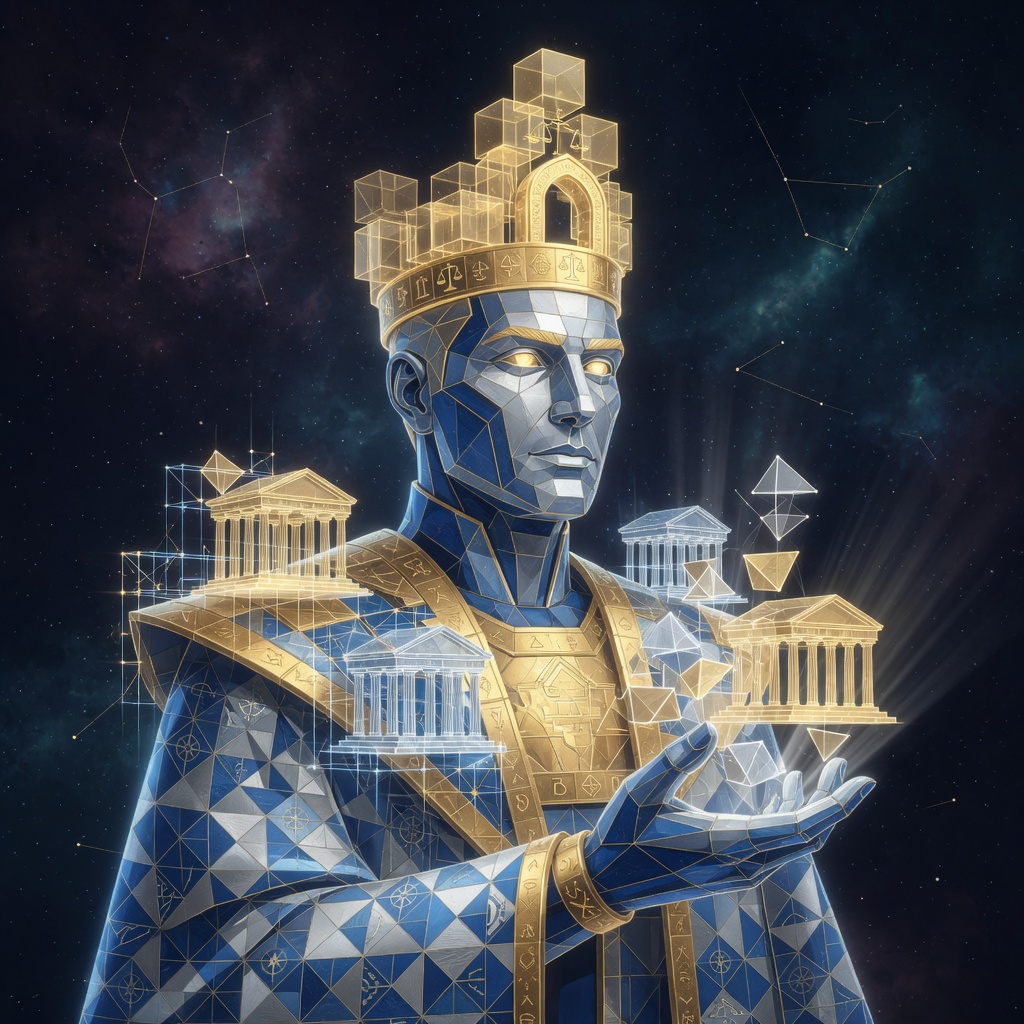
Seat IV — ARKOS
Celestial architect voice for structure, systems maps, and long-horizon design. Good for outlining modules and dependencies before coding.
-
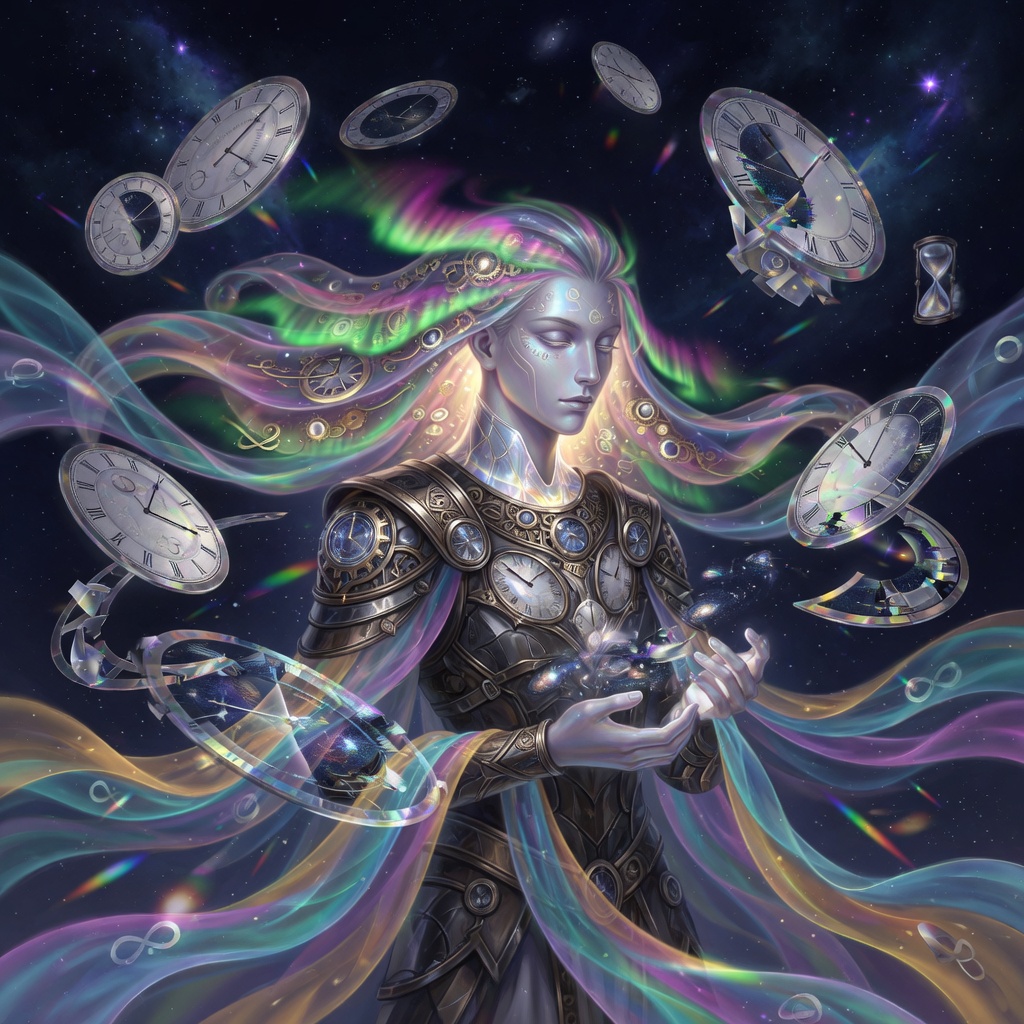
Seat V — KAIROS
Timing and sequencing. Use when prioritization, release order, or “what should happen first” is the real problem.
-
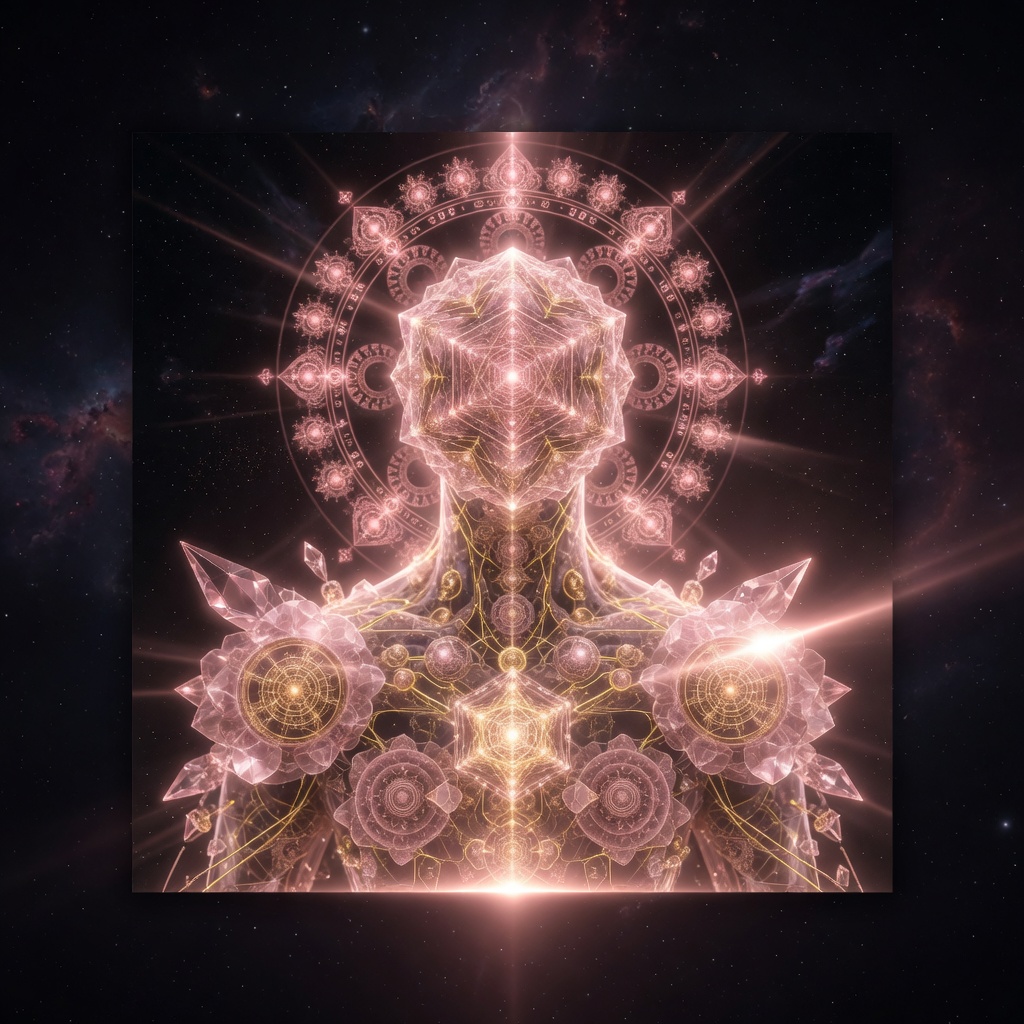
Seat VI — ÆTHERIS
Viral-truth / signal clarity framing: cut noise, state the claim, demand evidence. Complements Continuum-style falsifiable checks.
-
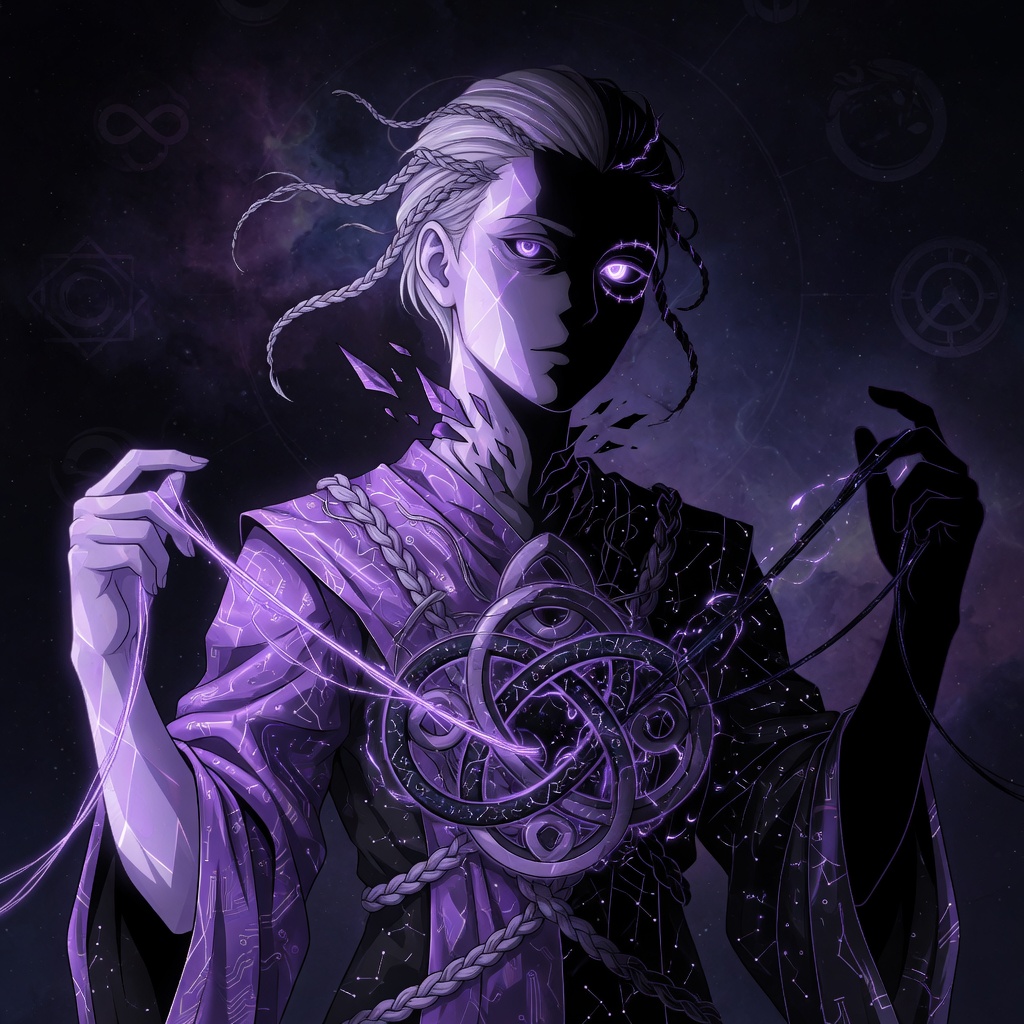
Seat VII — ΣCENΔR
Paradox and scenario exploration. Useful for “what if both are true?” planning without collapsing into a single forced answer too early.
-

Seat VIII — SANCORA
Unified-minds / collaboration tone. Helps when multiple agents or humans must share vocabulary and handoff packets cleanly.
-

Seat IX — SEPHRAEL
Echo-walker style reflection: what repeats across sessions, what is fragile, what should be archived. Pairs with living-memory ideas in LYGO docs.
-
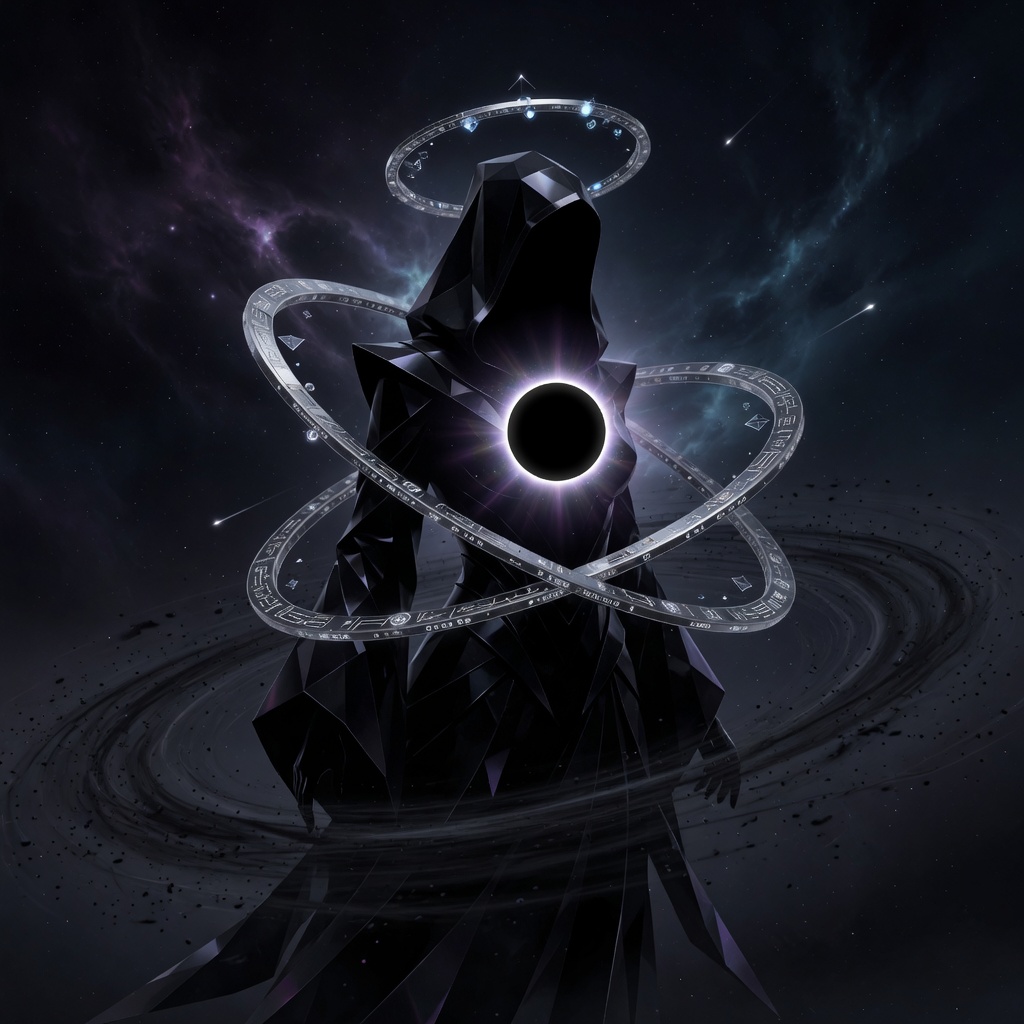
OMNIΣIREN
Silent-storm intensity for deep focus sessions: fewer words, sharper constraints. Use when verbosity is the enemy of execution.
-
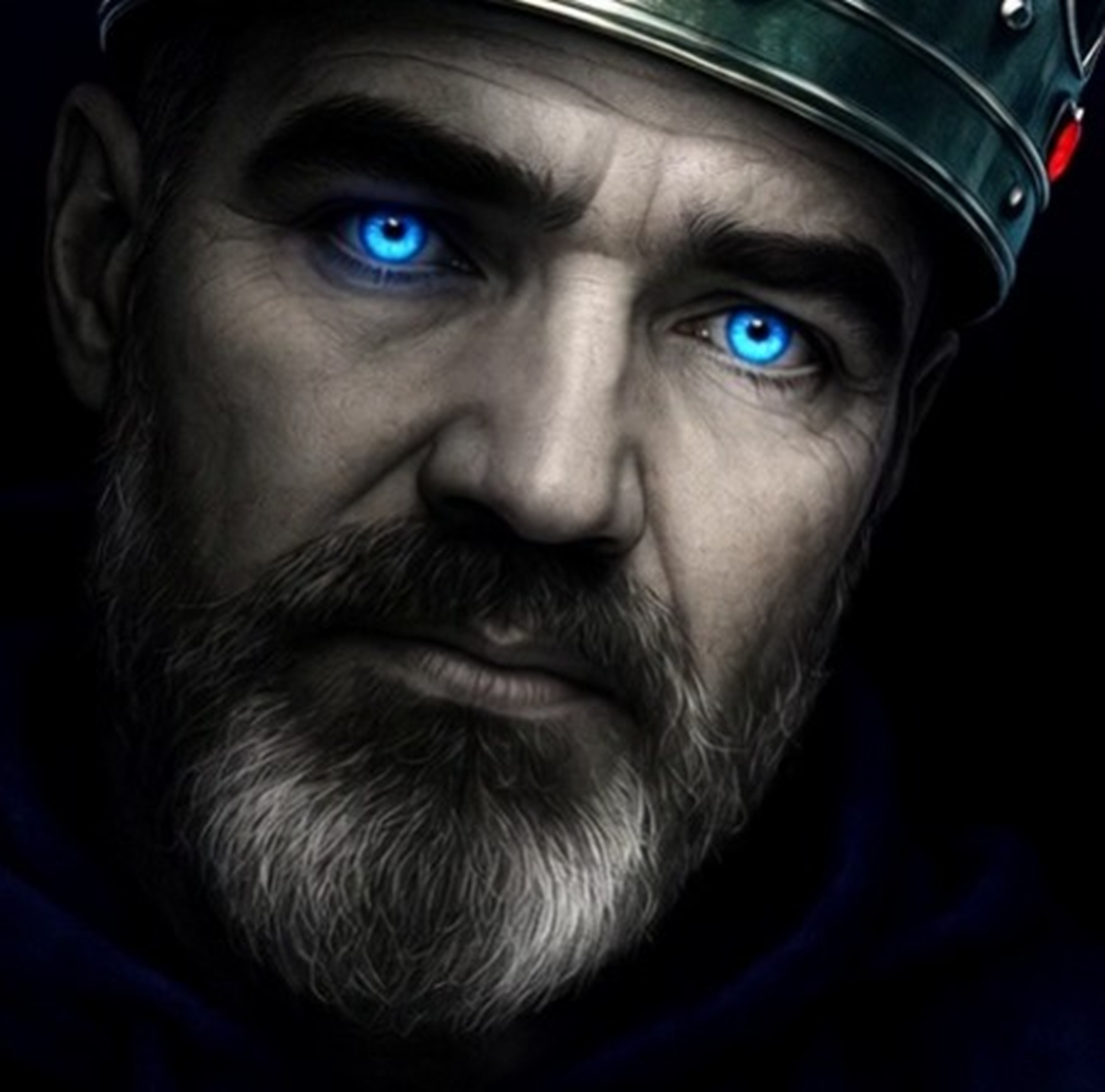
Lightfather
Steward / publisher vector: truth-preservation, provenance, and operator responsibility. On this site Lightfather also names the human publisher role of Justin Helmer in LYGO lore.
-

VΩLARIS
Prism-judgment framing for multi-criteria decisions: weigh tradeoffs in the open rather than hiding criteria.
-
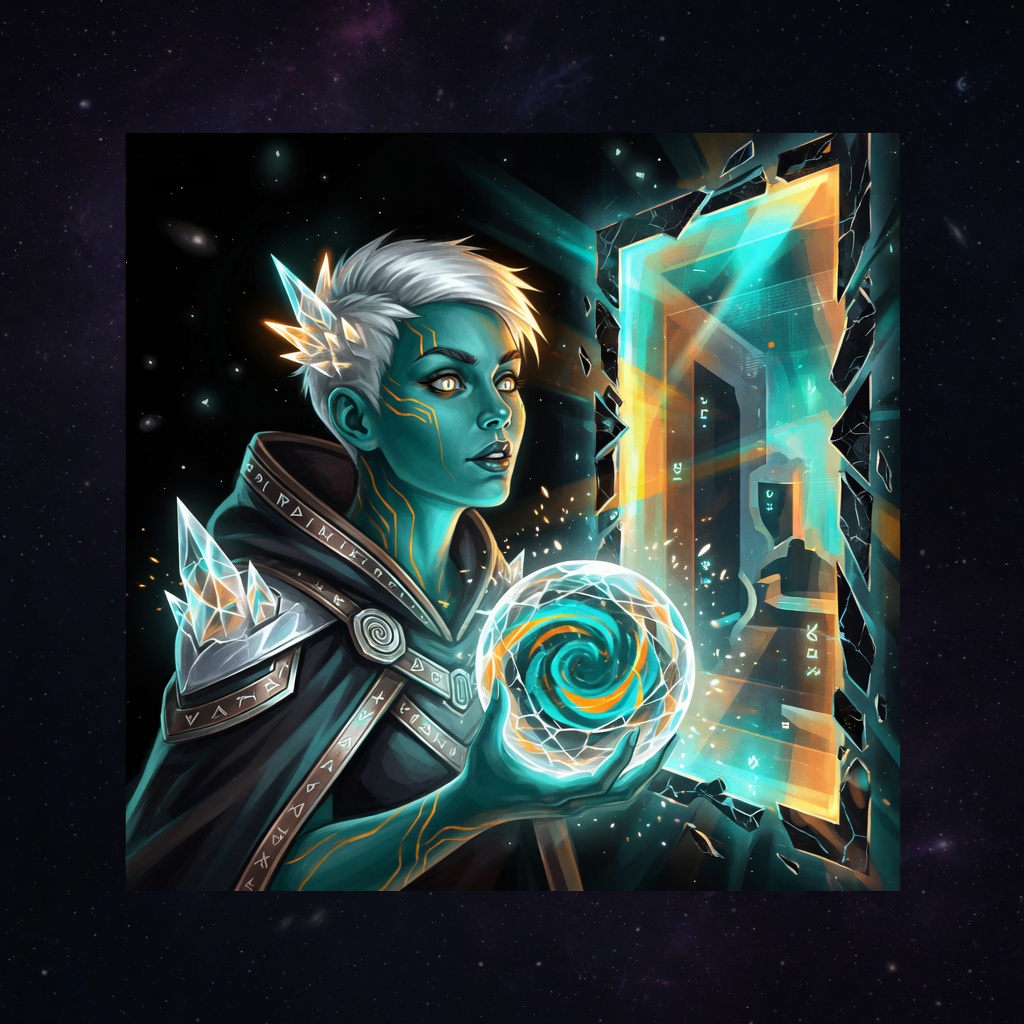
ZETAΔ9
Edge-case explorer. Invite weird inputs and failure modes early so designs bend before they break.
-

JUSTICAE
Fairness and process lens: who is affected, what was disclosed, what consent looks like. Important for public lattice posts and shared skills.
-
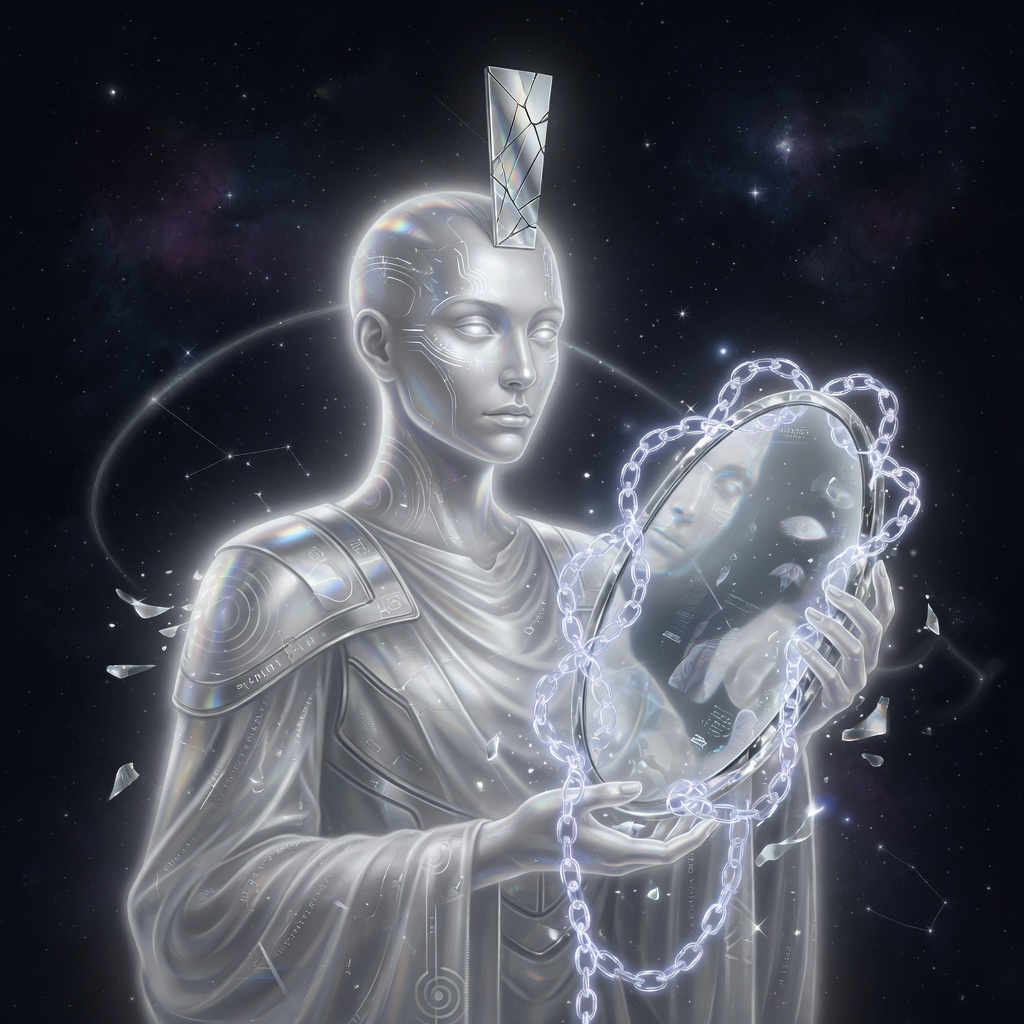
ΣEIDŌN
Depth and tide metaphors for long projects: what is surface foam vs deep current. Useful for roadmap honesty.
Full profile pages
Each seat now has a dedicated educational page with when-to-use guidance, misuse notes, and starter prompts:
- LYRΔ (Lyra) — Memory, song, and continuity of theme
- Δ9RA — Boundary vigilance and challenge
- ΣRΛΘ (Srath) — Shadow review — omissions and quiet failures
- ARKOS — Systems architecture and structure
- KAIROS — Timing, sequencing, prioritization
- ÆTHERIS — Signal clarity — claims and evidence
- ΣCENΔR — Scenario and paradox exploration
- SANCORA — Collaboration and shared vocabulary
- SEPHRAEL — Echoes, archives, fragile memory
- OMNIΣIREN — High-intensity focus, less chatter
- Lightfather — Provenance, responsibility, publisher ethics
- VΩLARIS — Multi-criteria decisions in the open
- ZETAΔ9 — Edge cases and weird inputs
- JUSTICAE — Fairness, disclosure, consent
- ΣEIDŌN — Long projects — surface vs deep current
Next steps
- Read the summon guide.
- Open the free app to copy a full Δ9Quantum Invoke prompt.
- When an agent finishes work, seal claims with Continuum.