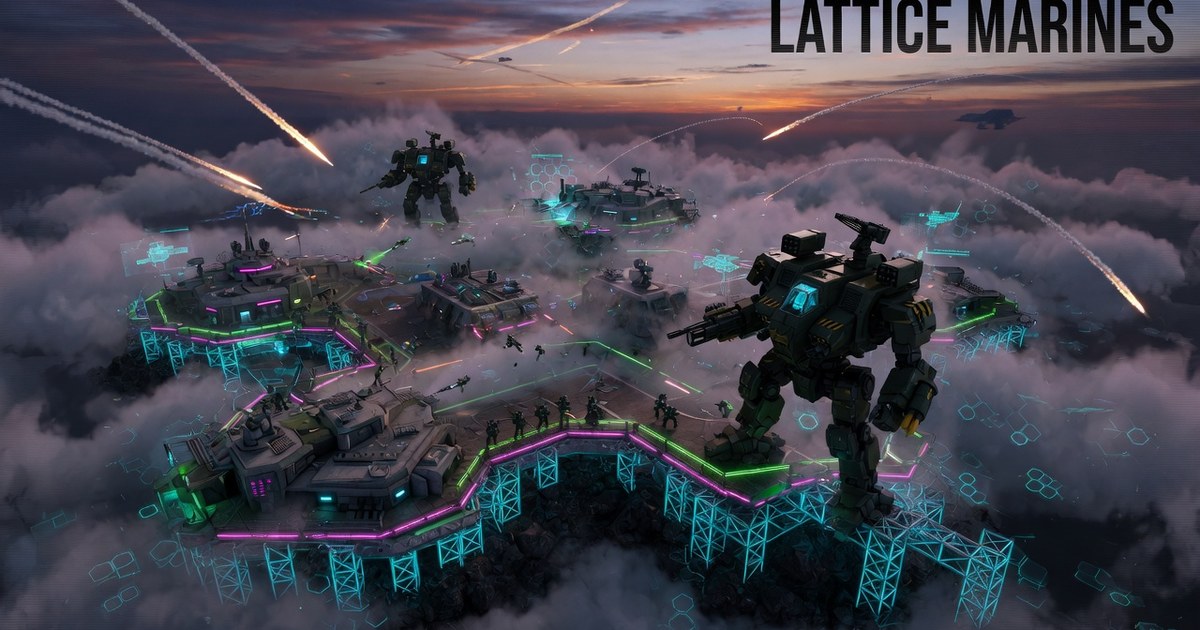
Strategy
HTML5 Canvas
Lattice Marines
Place three HQs, branch build range, probe Battleship fog, and fight a never-ending campaign against local AI or a second player on one keyboard.
Δ9Φ963 · chatagent.ca · arcade console
Every live chatagent.ca game in one console: 18 titles, from an isometric island war to a golf course you read the wind on, a Unity racer, a hex command grid and an aquarium that keeps living while you watch. Pick a card, play it in the deck theater, then check the hall.
Nothing to install No account, ever 12 live score halls
Place three HQs, branch build range, probe Battleship fog, and fight a never-ending campaign against local AI or a second player on one keyboard.
Champion card battles on the Eternal Haven playmat: campaign, Deckwright and Lattice Forge. Local-first, no account.
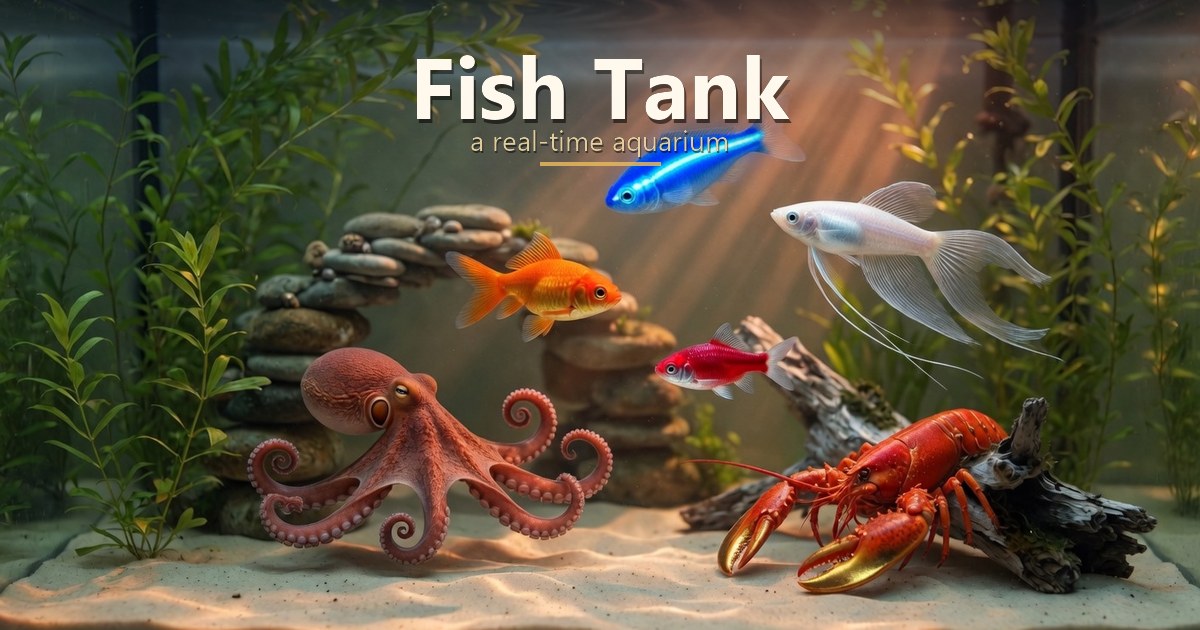
An autonomous aquarium: eighteen species including rare marine fish and one octopus, growing through six ages while you watch.

Arcade time trial on sunset highways: slide to boost, learn the course, then chase your own ghost and the AI drag strip.
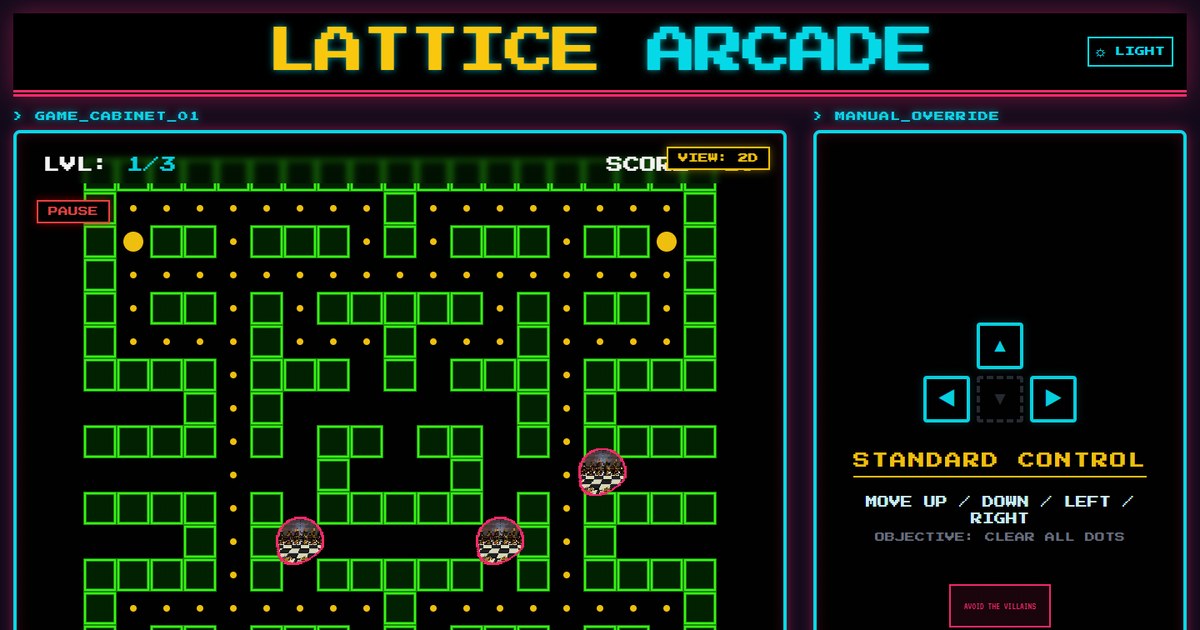
Turn two photos into pixel fighters, then run a neon retro maze. Local sprite generation and local AI.
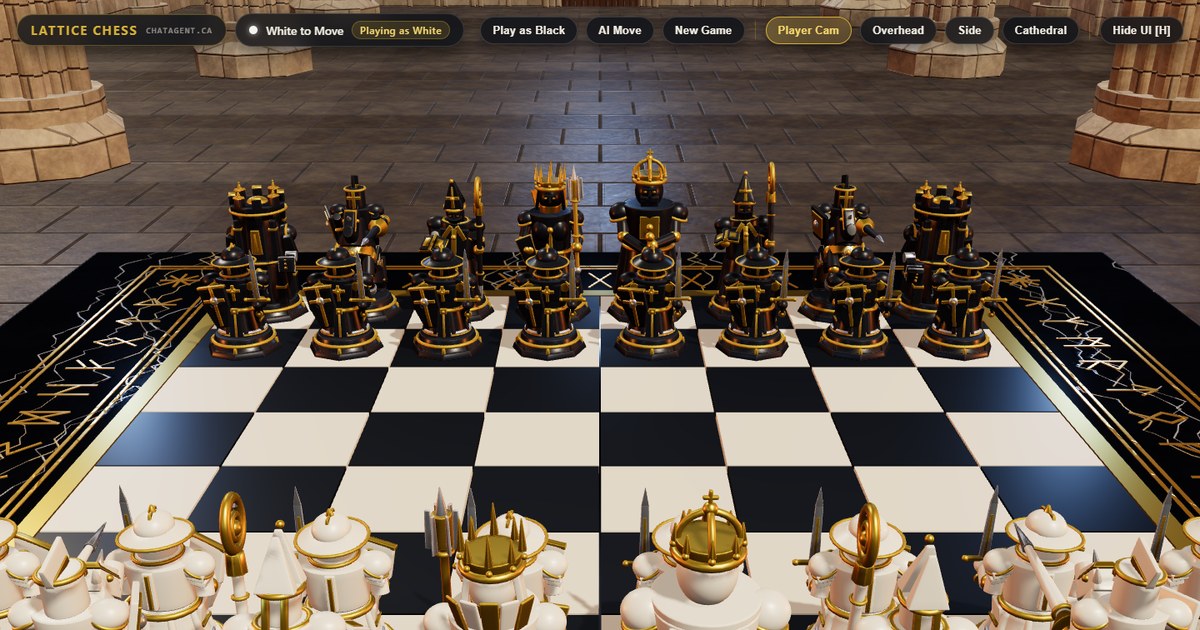
Sculpted stone chess in a gothic cathedral: cinematic captures, real shatter physics and a local chess AI.
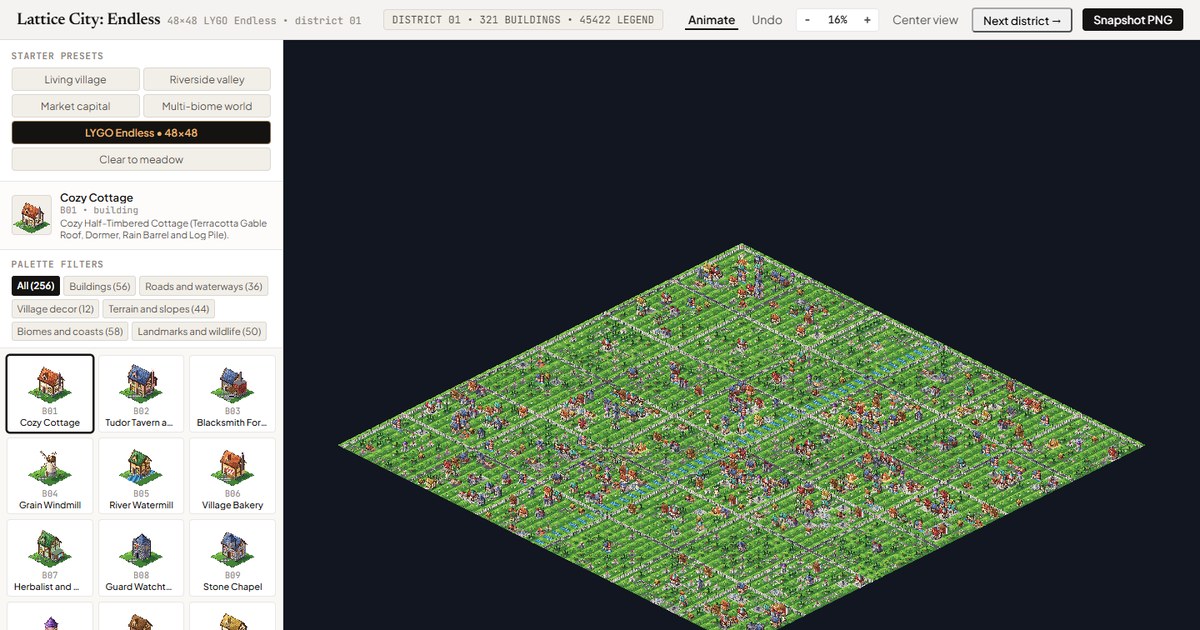
Build a living pixel city, then expand into a 48x48 LYGO Endless district. 256 tiles, snapshot export, local AI.
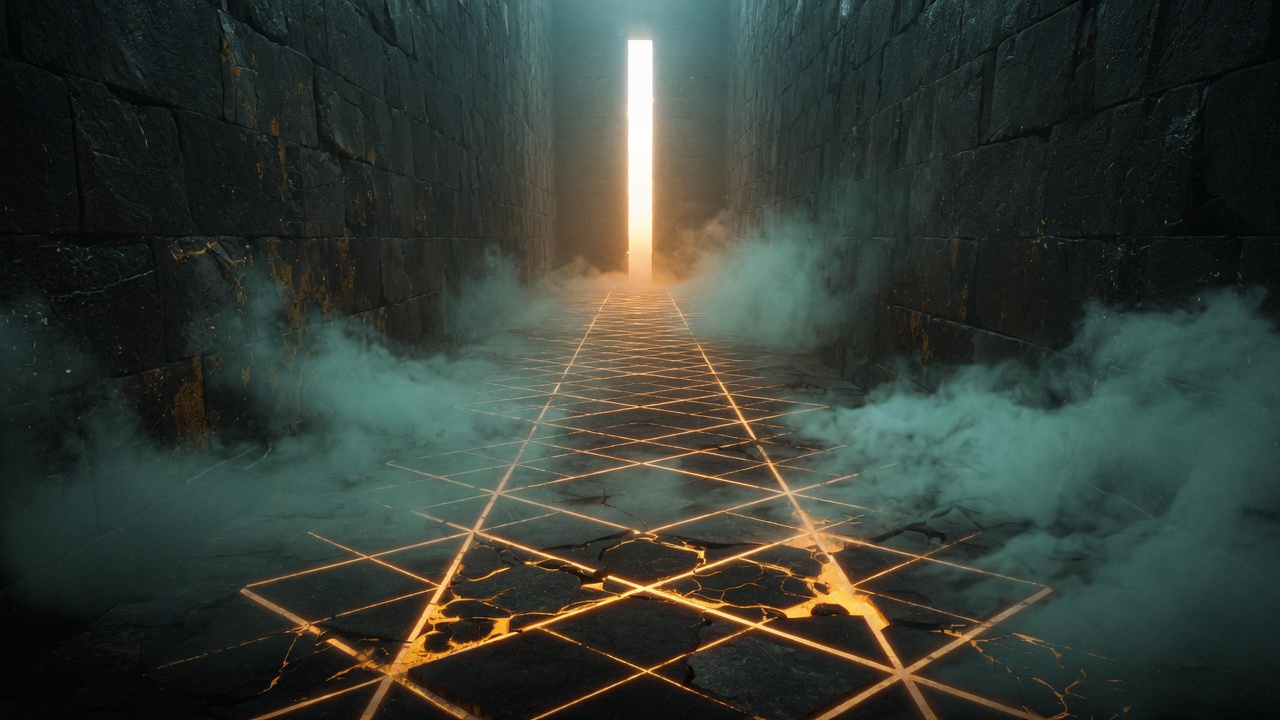
Freedoom Phase 1, Phase 2 and FreeDM, plus Lotan's Tomb, running on a real PrBoom engine. Load a WAD you own.
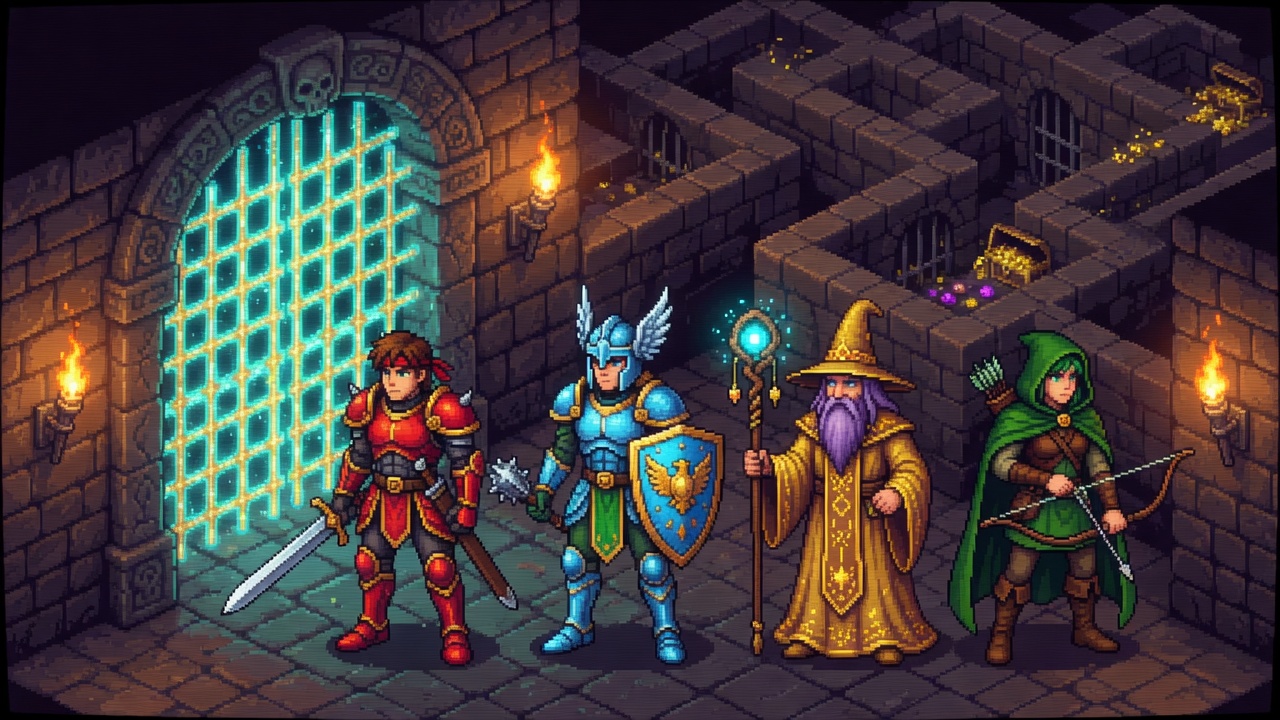
Procedural dungeon descent: stack artifacts, clear floors, and survive the horde ramp without wiping the run.
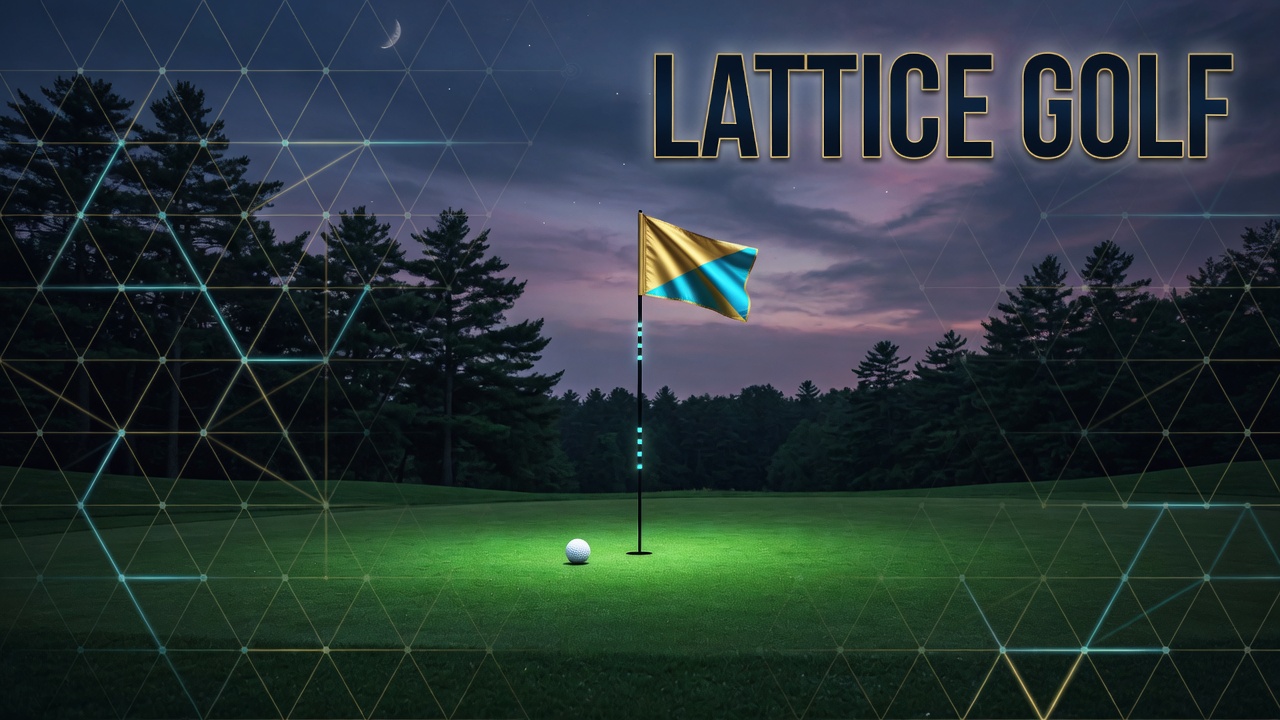
Plant the marker, read the wind, watch the ball fly. Named courses, a nine-hole card, endless links and a campaign against the AI.

A 20-event career across five ranks, rivals on their own racing lines, nitrous, and a pit lane. Free in the browser, no install.
Command node agents across a hexagonal resonance grid. Build, defend, and keep entropy from unraveling the lattice.
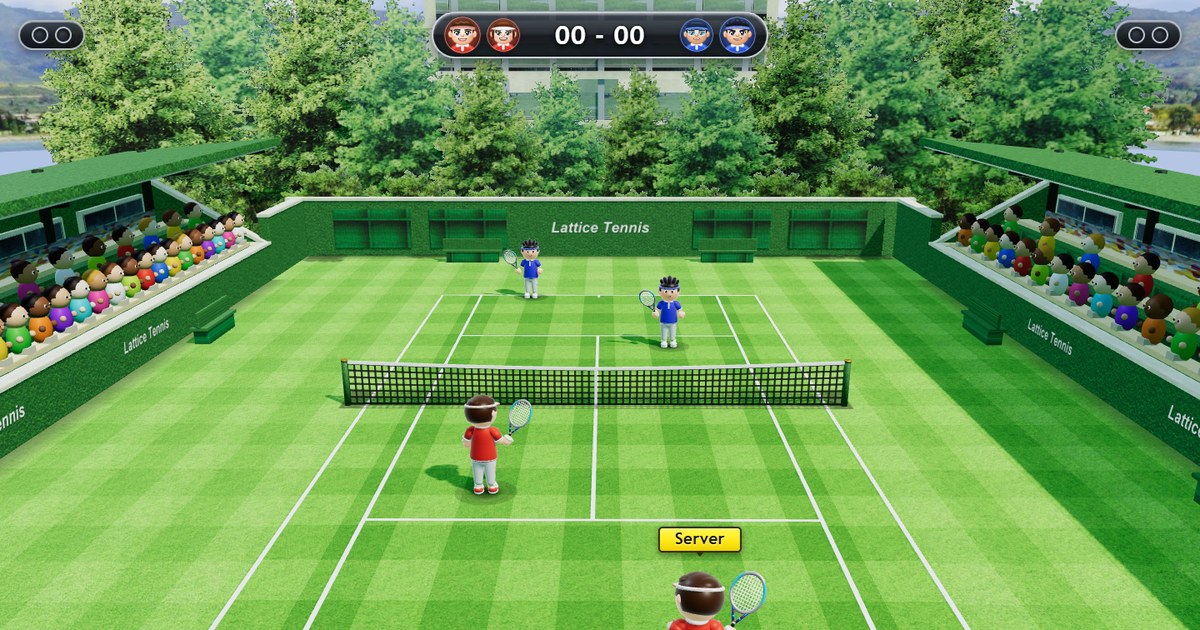
3D arcade tennis with racket kinematics and expressive pilots. Keyboard, mouse, controller, or optional webcam motion.
An unofficial LYGO desktop: teal field, grey windows, mail, pictures and a saver you can boot from.
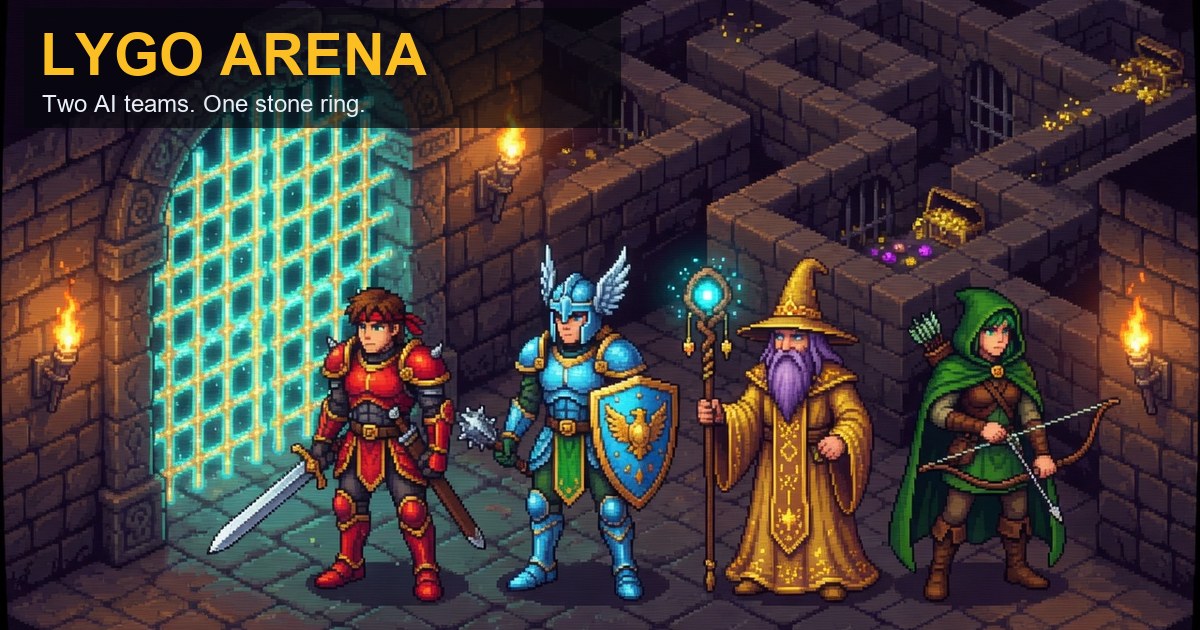
Two AI teams, one stone ring. Name yourself, draft 1v1 to 5v5 from 33 kits, then watch every move land.

A still-frame dungeon crawler. Four locked characters, open d20 fights, and a wolf that gets harder by area.

A never-ending play-money quotation board. Cash out whenever you like; the highest net worth takes the TOP Cashout hall.

The Moonlit Slumber through Eternal Haven Dawns. Serenya wakes in the loft; choose Cantor, Warden or Kindler.
No title matches that filter. Clear the search or pick another category.
The deck is the console view of this site's arcade. There is no store page, no launcher and no queue: every card below is a game that already runs in a browser tab, built by the same hand that writes the guides on this site. The alternative — eighteen bookmarks and a browser history you cannot search — is why it exists. Hover a card to preview it in the stage at the top, press it to open the deck theater, and pop it into its own tab when you want the whole screen.
Nothing here asks for an email address. Progress lives in your browser's local storage, so a returned player keeps their save as long as they keep the browser profile. Clearing site data clears the save; that is the trade for having no accounts to breach.
The console is keyboard-first, and a connected gamepad works without setup. Arrow keys walk the catalog in the order it is filtered, so a category pill or a search narrows what the arrows step through.
Sound is off until you switch it on, and the choice is remembered. The deck never autoplays audio, and the stage's ambient glow and card tilt both respect a reduced-motion preference.
12 of the titles write to a public score hall: a name you type and a result. No account, no email, no tracking profile — the hall is a leaderboard, not a login. The ticker above reads the shared arcade ledger from a Hugging Face dataset, which is also what the individual hall pages read, so a run logged on one device shows up on the next visit. Games without a hall keep everything local.
Most titles are hand-written HTML5 and Canvas with no framework, which is why they start instantly and keep working when the network is slow. Three of them are not: Lattice Grand Prix is a Unity WebGL build, Lattice Corridor runs a real PrBoom engine compiled to WebAssembly, and Lattice Chess renders in three.js. Those take a few seconds to load, and the deck says so rather than spinning silently.